Your home. Your peace.
Your Pest Control.
Trusted | Safe | Guaranteed
How do pest control services work?

Multipoint pest inspection
One of our expert technicians will conduct a comprehensive pest inspection of your property, carefully assessing both the interior and exterior areas. Following the inspection, they will apply targeted treatments designed to effectively eliminate pests and protect your home from future infestations. One of our expert technicians will perform a thorough pest inspection and treat the inside and outside of your home.

Regularly scheduled treatments
We will visit your home on a regular schedule to perform treatments designed to strengthen and maintain a protective barrier around your property’s exterior. These ongoing services help prevent pests from entering and ensure continuous protection. This routine will be maintained for as long as you remain enrolled in your plan, providing you with lasting peace of mind.

Guaranteed protection
If pests happen to return at any point between your regularly scheduled treatments, rest assured that we will promptly return to your property to resolve the issue at no extra cost. We are fully committed to your satisfaction and ensuring your home remains completely pest-free, giving you peace of mind every step of the way.
 Ants
Ants Cockroaches
 Bed Bugs
 Mice & Rats
 Termites
 Spiders
 Wildlife
 Mosquitoes
 Flea & Tick
 Centipedes
Ants
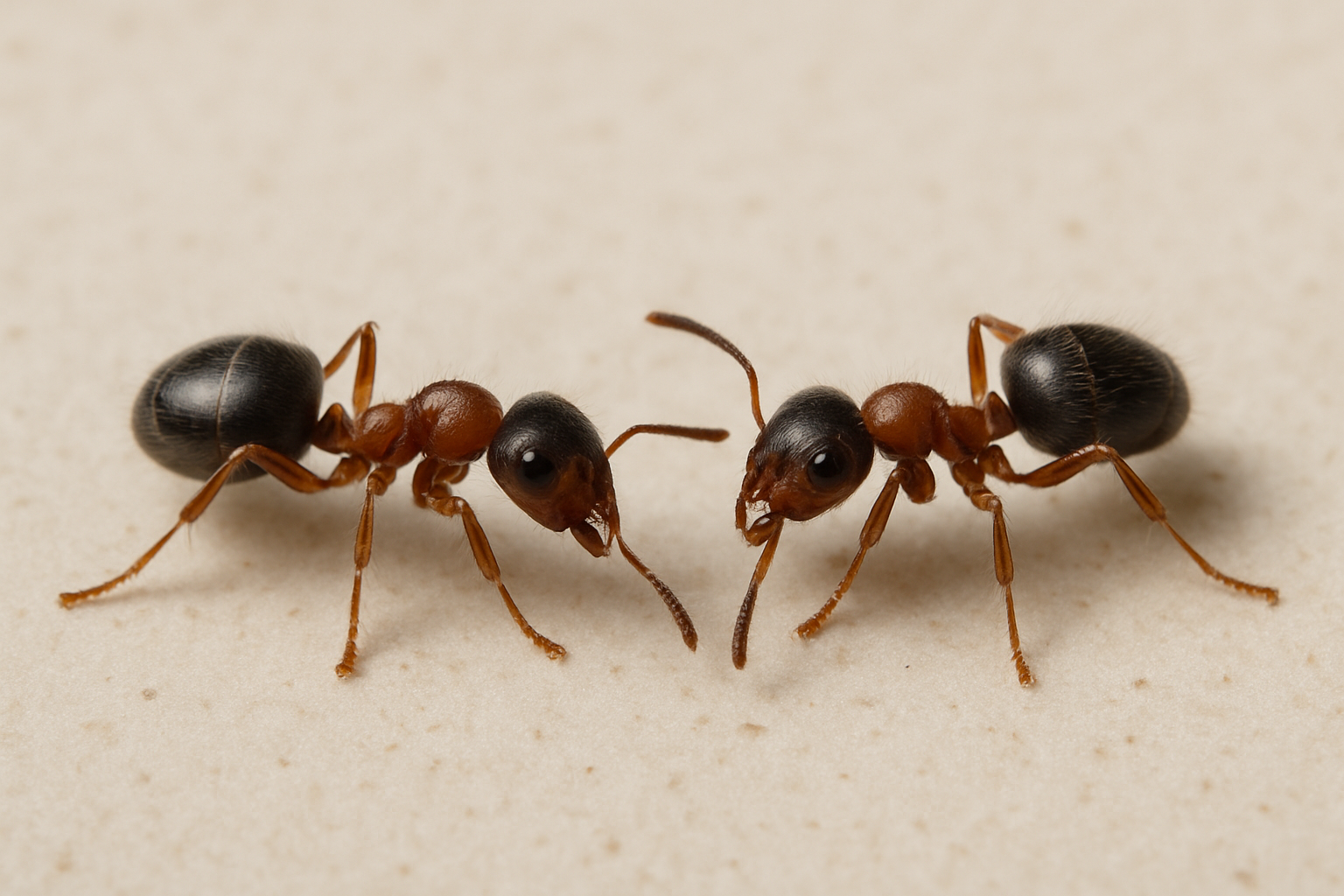
Ant infestations can range from nuisance species like pavement ants to destructive carpenter ants that damage wood. They live in large colonies and can quickly spread throughout a home in search of food and water.
- Attracted to crumbs, sweets, and moisture.
- Carpenter ants burrow into wood, weakening structures.
- Colonies can contain thousands of ants.
Cockroaches
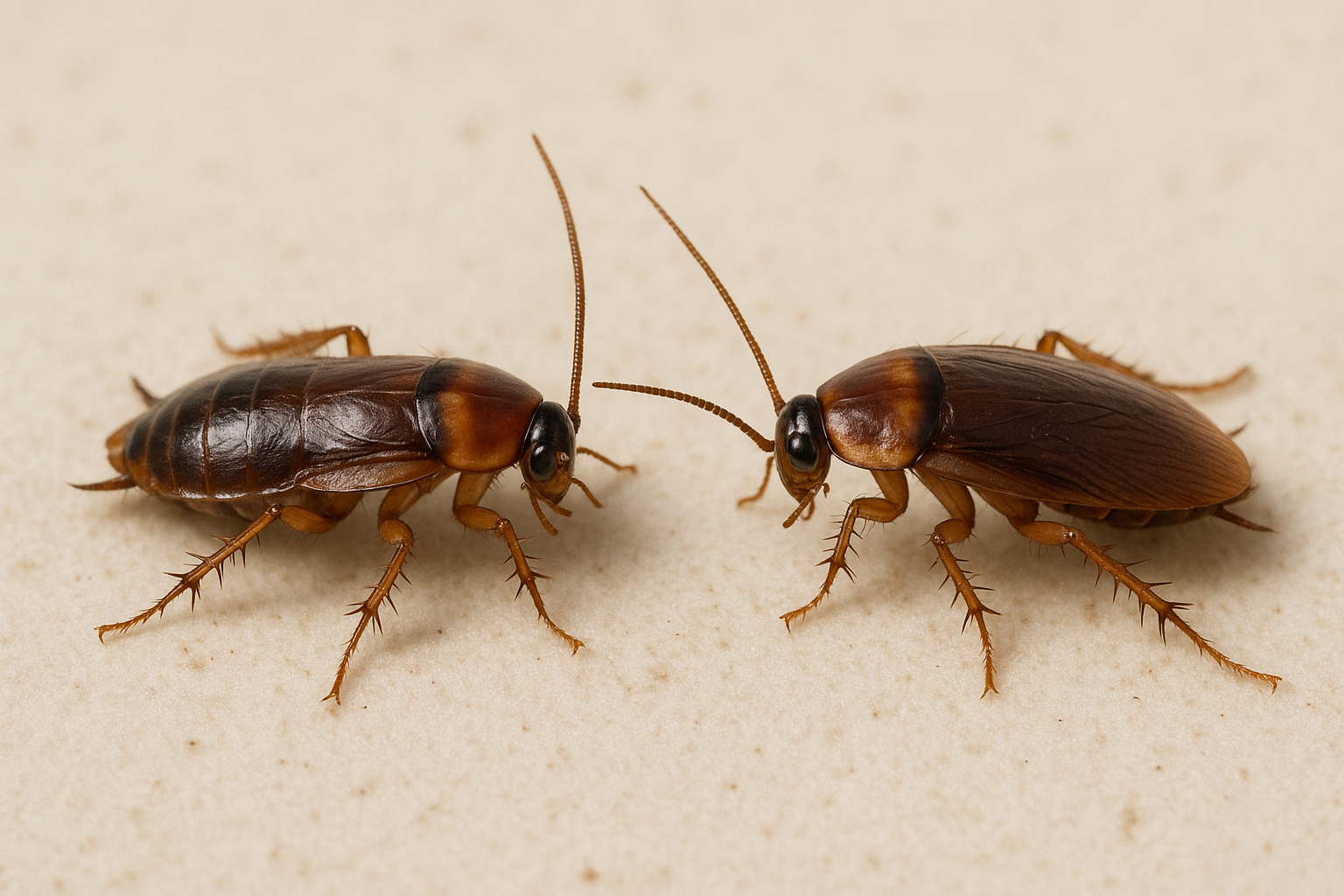
Cockroaches are hardy pests that thrive in warm, dark, and moist areas. They spread bacteria and allergens that can trigger asthma attacks, especially in children.
- Common species: German, American, and Oriental roaches.
- Capable of contaminating food and surfaces.
- Nocturnal and fast breeders, making infestations difficult to control.
Bed Bugs
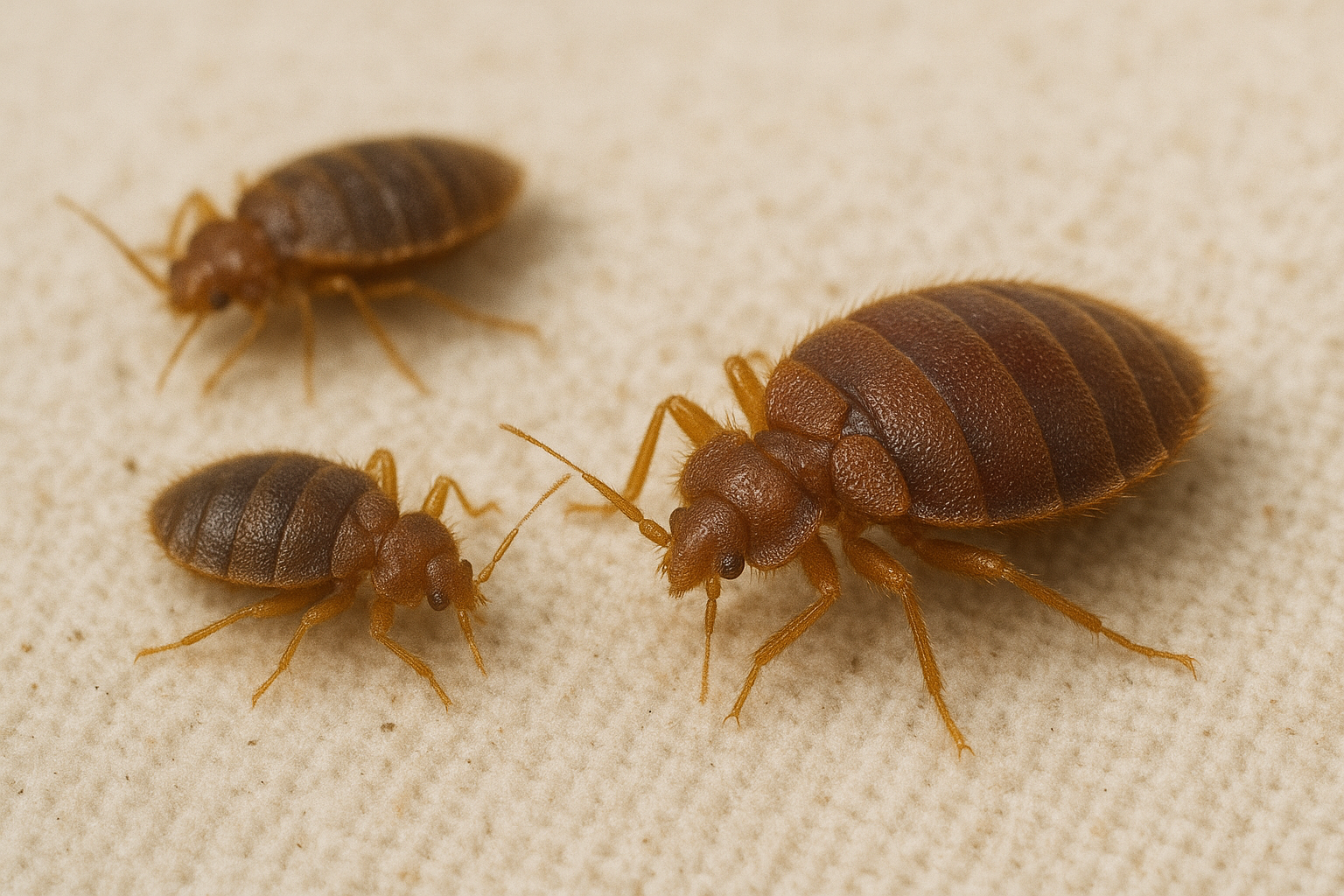
Bed bugs are tiny, blood-feeding insects that hide in mattresses, furniture, and cracks. They are difficult to detect and can cause itchy bites and allergic reactions.
- Active at night, feeding on human blood.
- Do not spread disease but cause stress and discomfort.
- Spread easily through luggage, furniture, and clothing.
Mice & Rats
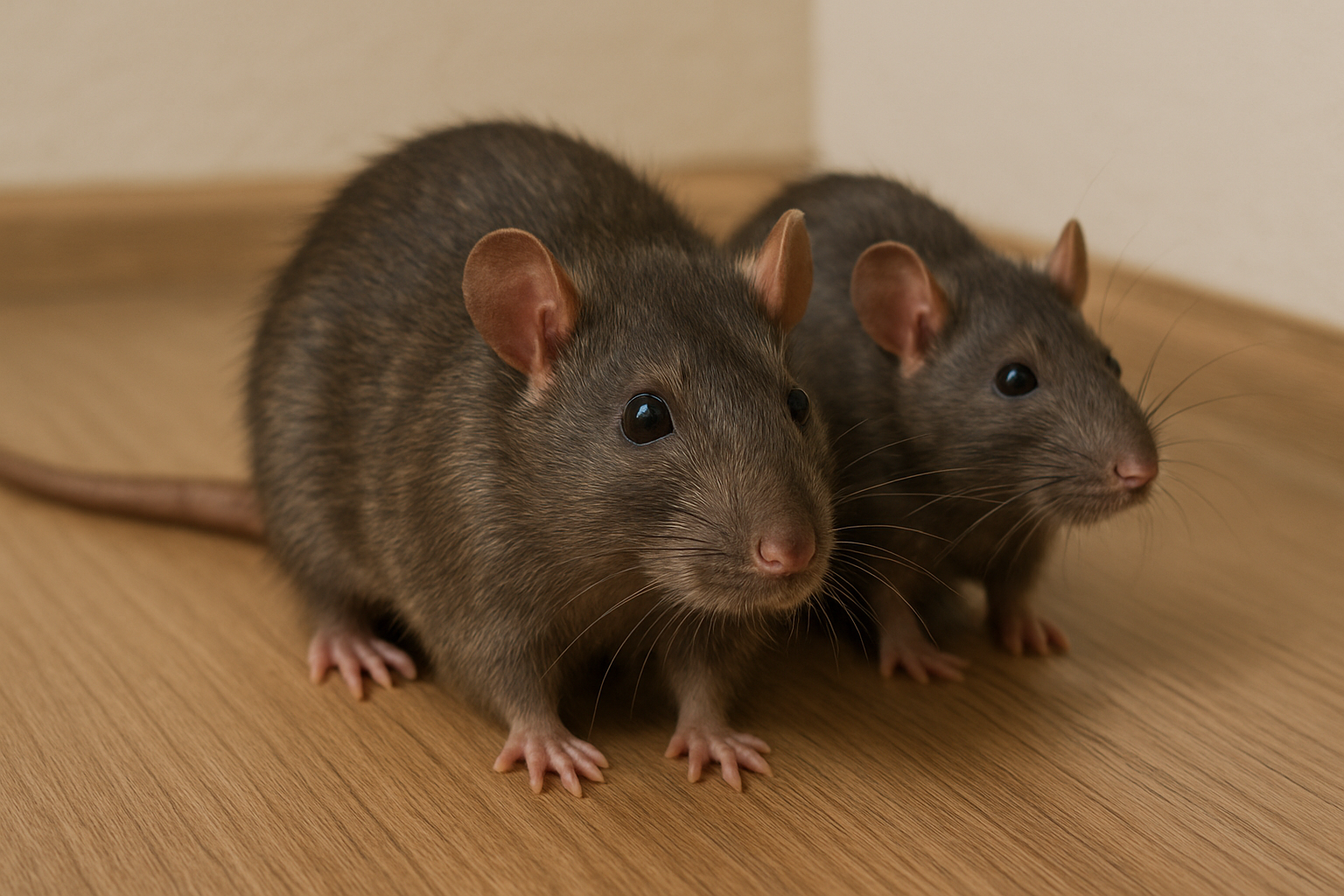
Rodents are destructive pests that chew wires, contaminate food, and spread disease. Their populations can explode rapidly if not controlled.
- Common species: house mice, roof rats, and Norway rats.
- Capable of squeezing through small openings.
- Known carriers of Salmonella and Hantavirus.
Termites
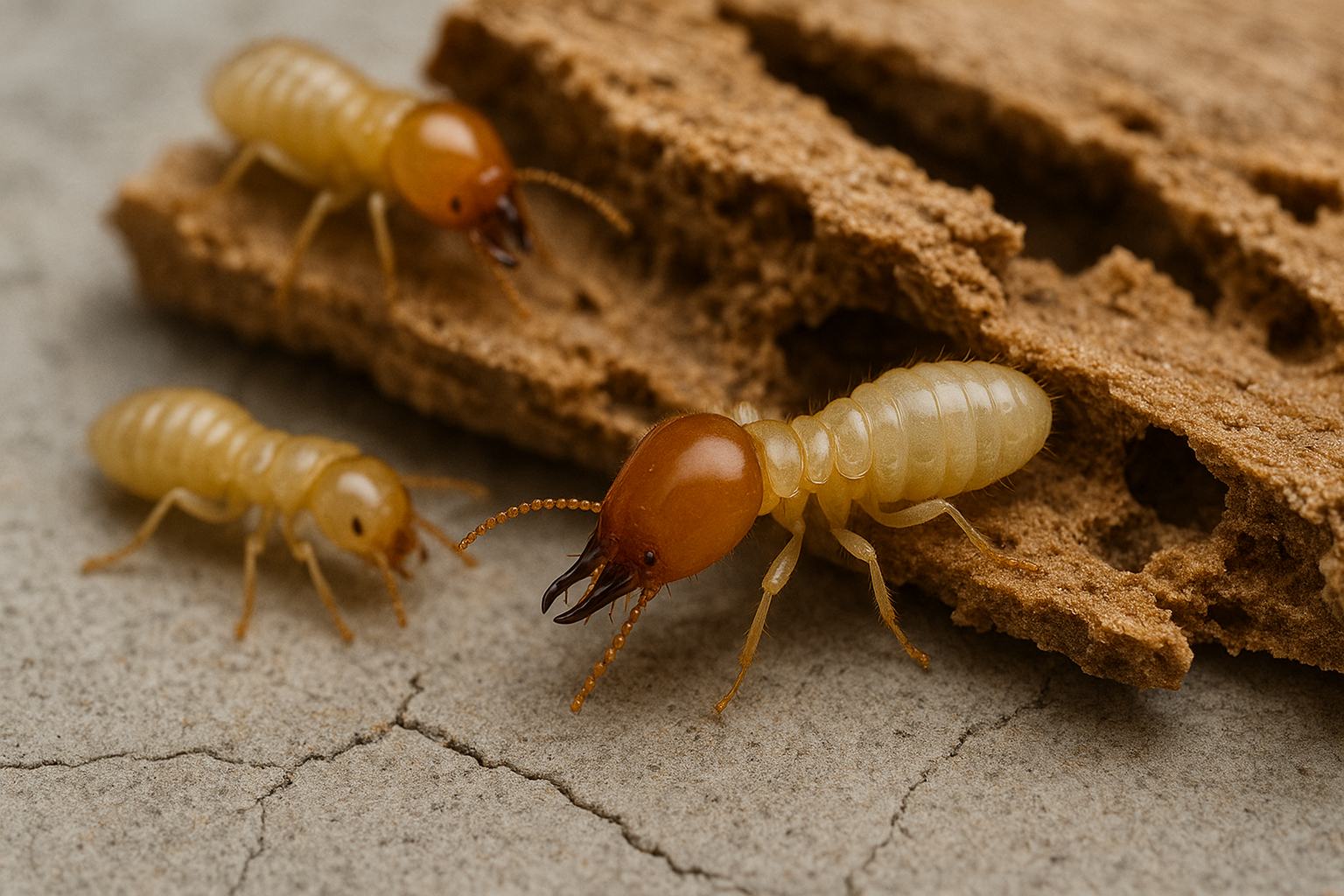
Termites cause billions of dollars in damage annually by silently eating away at wood structures. Infestations often go unnoticed until significant destruction has occurred.
- Subterranean termites are the most destructive in the U.S.
- Create mud tubes for travel and protection.
- Colonies can number in the millions.
Spiders
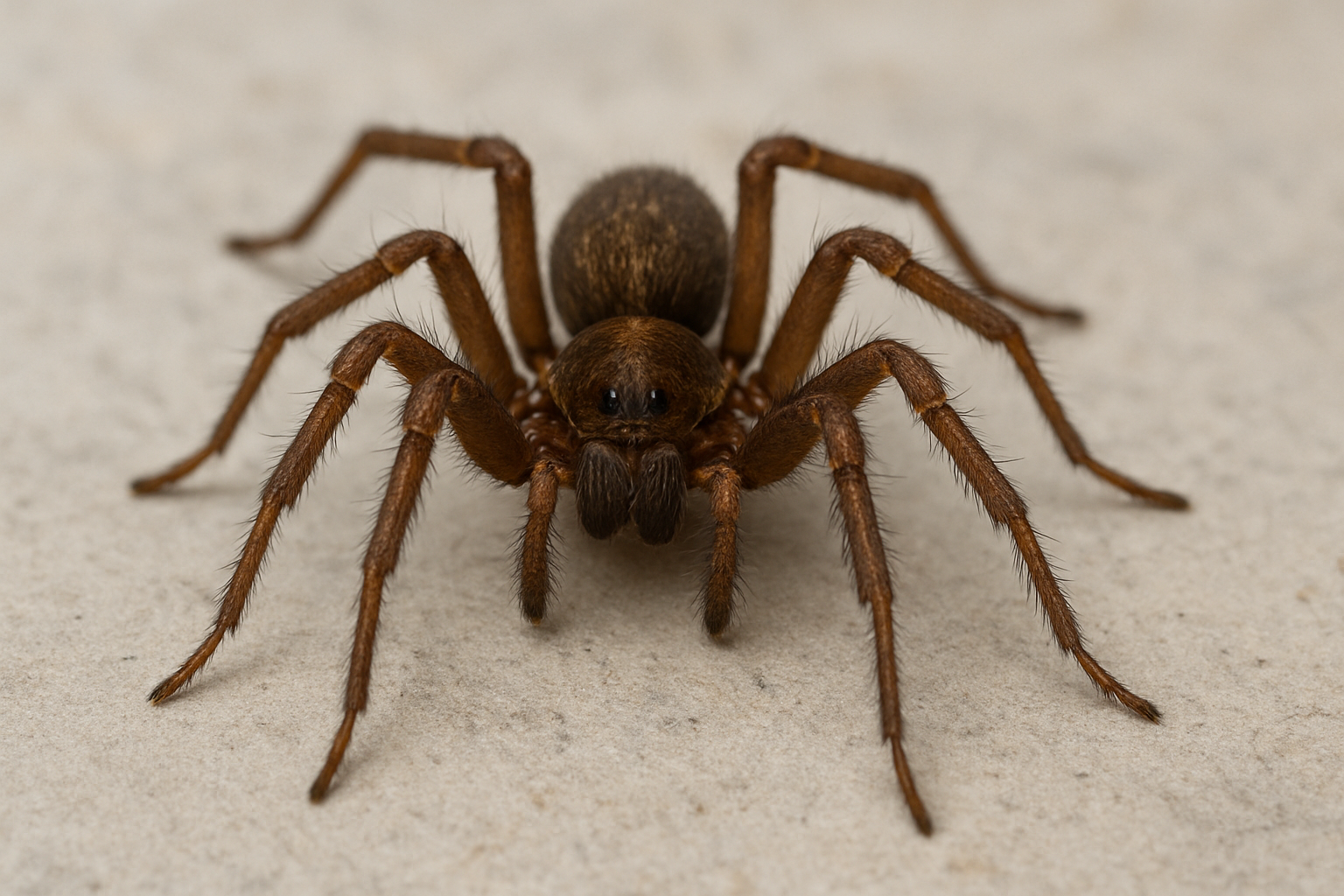
While most spiders are harmless and even beneficial, some species such as black widows and brown recluses can pose health risks with their venomous bites.
- Common indoor species: house spiders, cellar spiders.
- Black widow bites can cause severe pain and cramps.
- Brown recluse bites may lead to tissue damage if untreated.
Wildlife
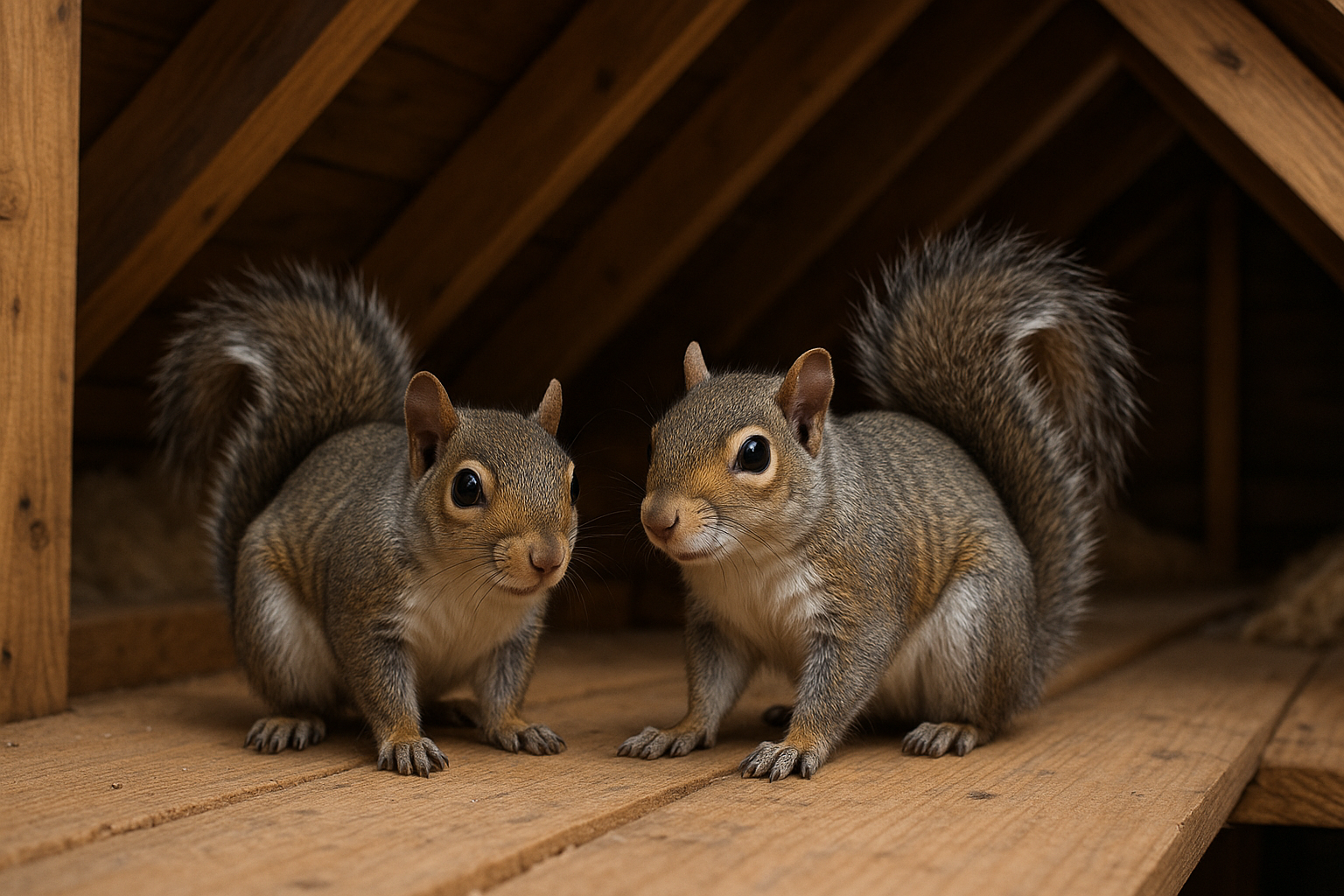
Raccoons, squirrels, bats, and other wildlife can enter homes seeking shelter or food. They may damage insulation, wiring, and carry diseases like rabies.
- Raccoons often raid garbage and attics.
- Squirrels chew through wires, creating fire hazards.
- Bats can carry rabies and leave harmful droppings.
Mosquitoes
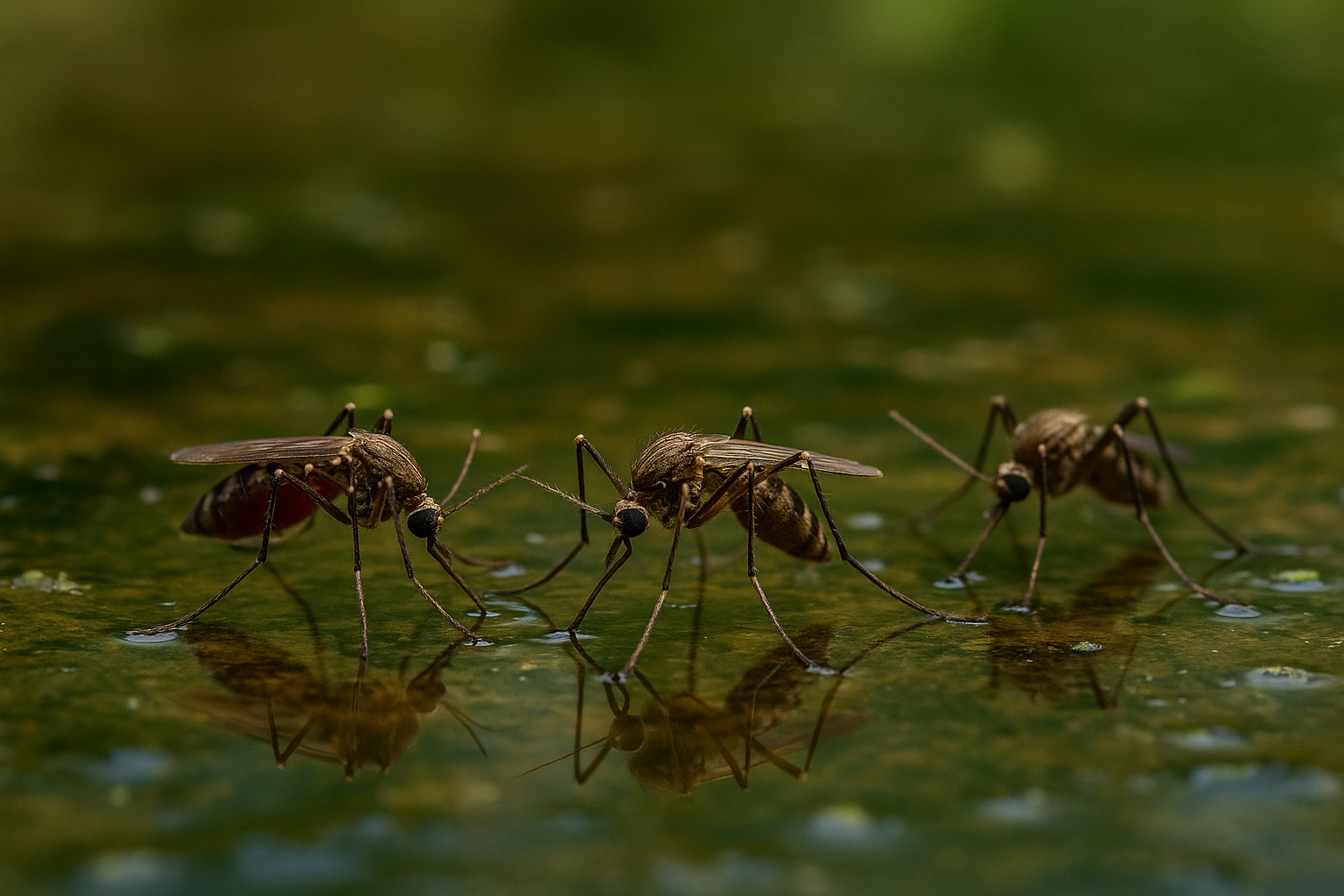
Mosquitoes are one of the most dangerous pests worldwide, transmitting diseases such as West Nile virus, Zika, and malaria. They breed in standing water and thrive in warm climates.
- Only female mosquitoes bite to feed on blood.
- Larvae develop in stagnant water sources.
- Active mostly at dawn and dusk.
Fleas & Ticks
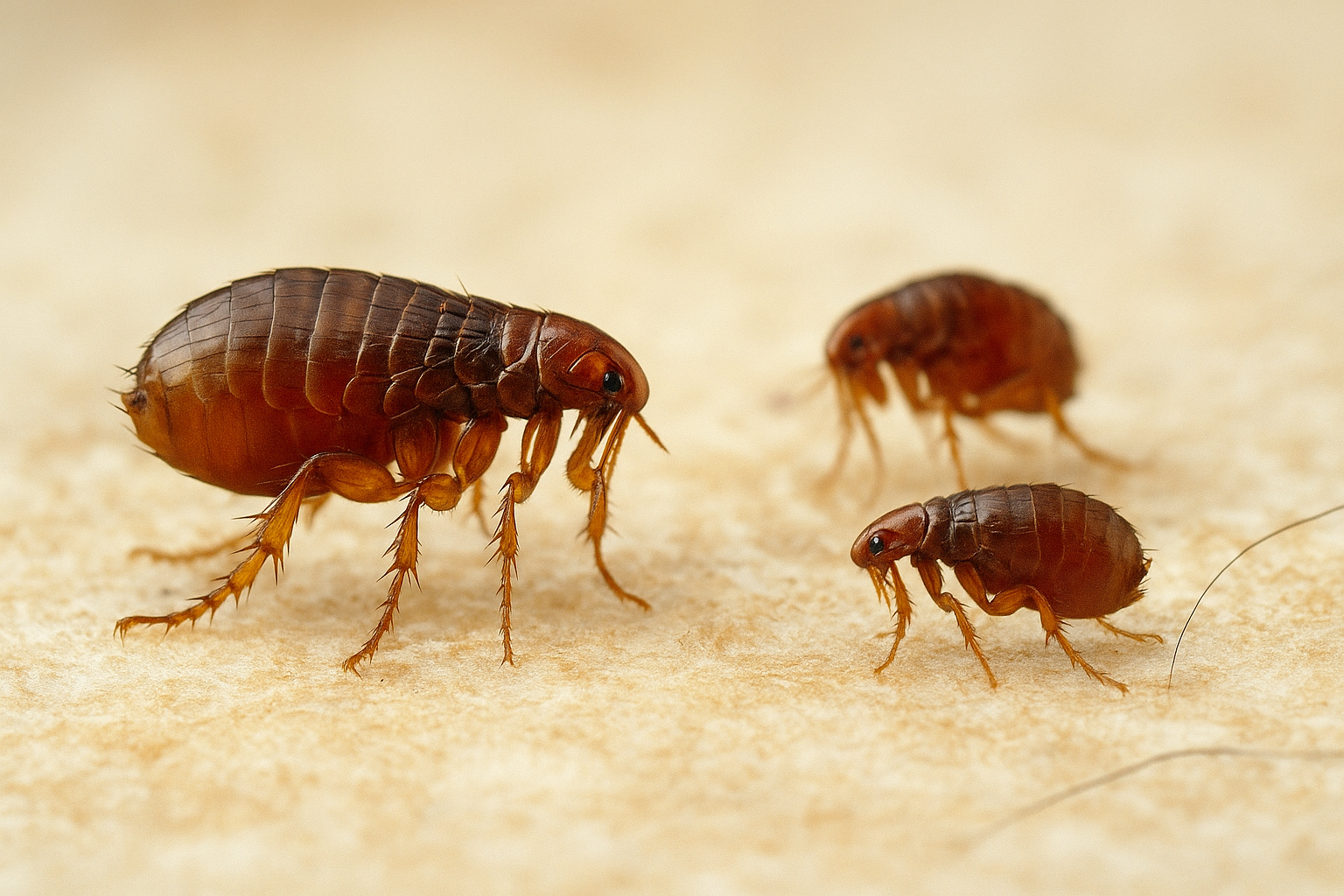
Fleas and ticks are external parasites that feed on blood and spread diseases to humans and pets. They are commonly introduced into homes via pets or wildlife.
- Fleas cause itching and can transmit tapeworms.
- Ticks are vectors for Lyme disease and Rocky Mountain spotted fever.
- Infestations often require treatment of both pets and the home.
Centipedes
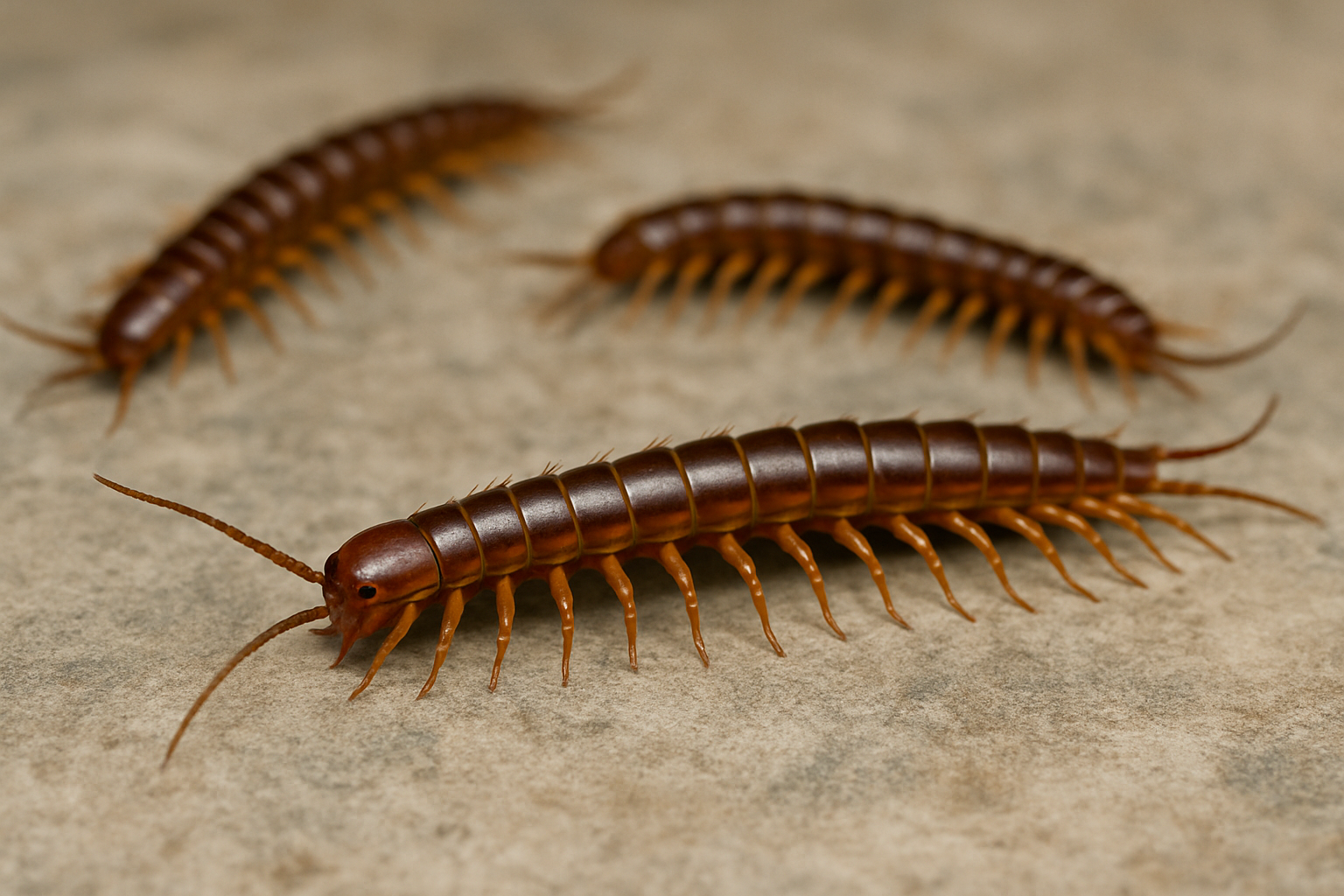
Centipedes are fast-moving, many-legged predators that feed on other insects. Though mostly harmless, their presence can be alarming in homes.
- Prefer damp environments like basements and bathrooms.
- Can bite, but effects are usually mild and short-lived.
- Beneficial as natural pest controllers, but unwelcome indoors.
| Compare plans, feature-by-feature | Diamond Best protection |
Gold Year-round protection |
One-Time Single treatment |
|---|---|---|---|
| Multipoint pest inspection — including interior & exterior | |||
| Pest Guarantee — If pests come back, so do we | |||
| Protection from 25 common household pests | |||
| Additional protection from 14 pests (specialized / costly to eliminate) | |||
| Regularly scheduled exterior treatments | |||
| Unlimited protection from out-of-pocket costs (Diamond benefit) |